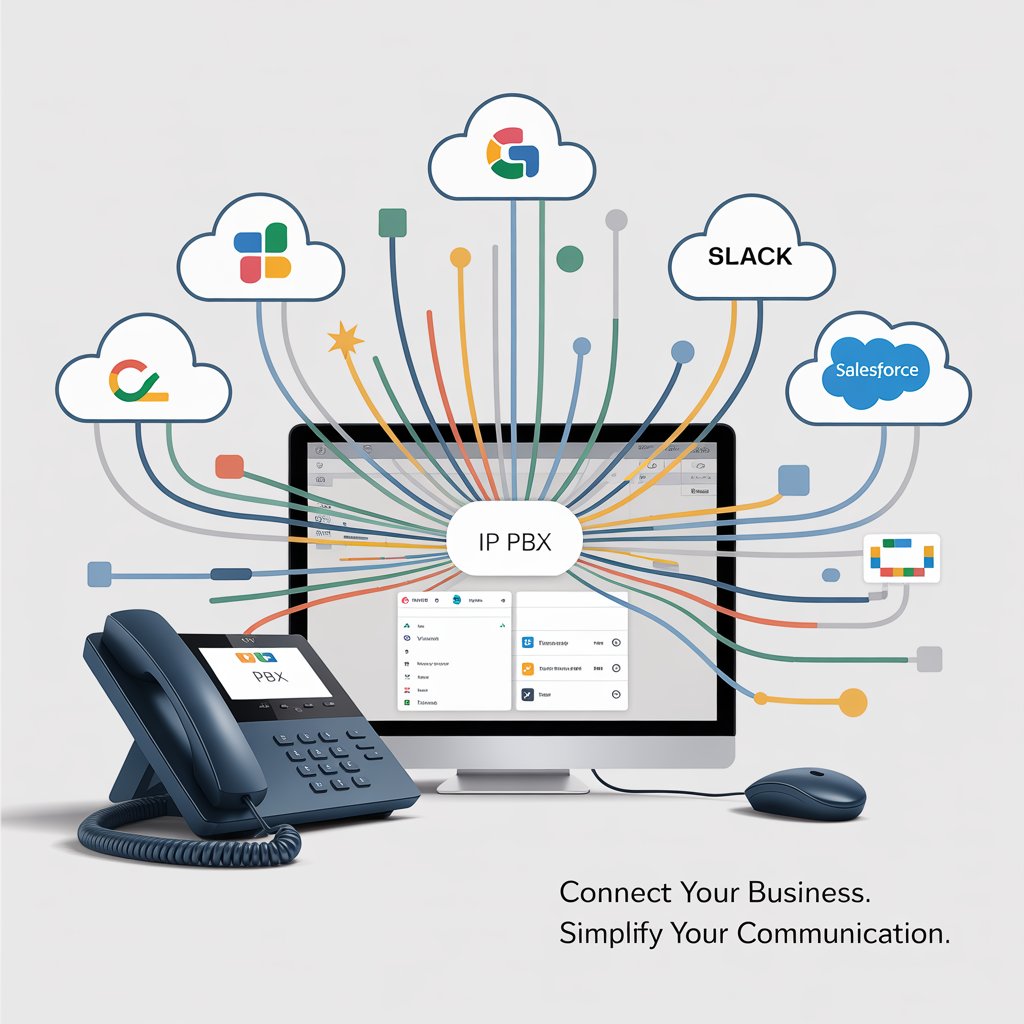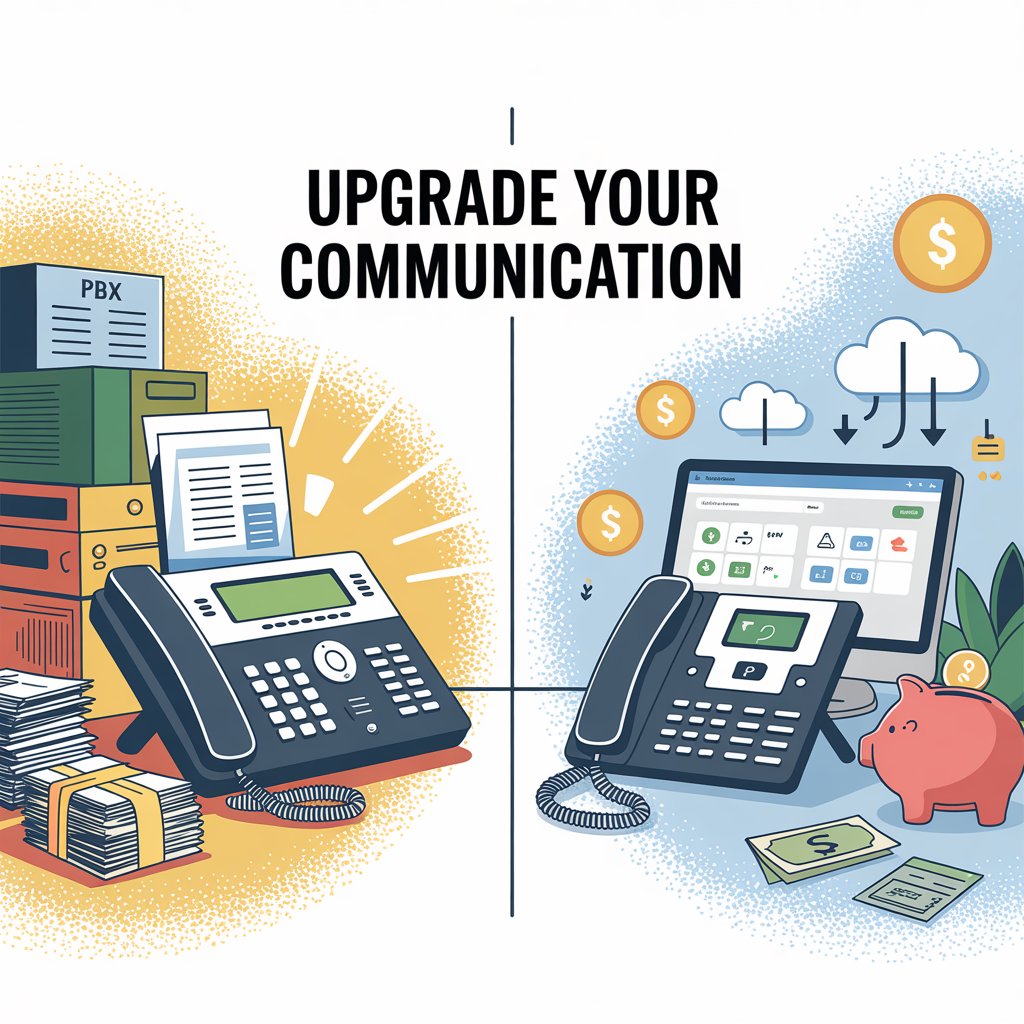
In today’s fast-moving business environment, communication systems play a vital role in daily operations. While traditional PBX (Private Branch Exchange) systems have served businesses for decades, they come with high setup costs, ongoing maintenance expenses, and limited scalability. With the rise of IP PBX (Internet Protocol PBX), organizations now have access to a more cost-effective and flexible solution. Let’s explore why an IP PBX system costs less than a traditional PBX, and why it’s the smarter choice for modern businesses.
1. Lower Installation Costs
Traditional PBX requires heavy hardware, phone lines, and complex wiring. This not only increases the initial investment but also demands space and professional installation. In contrast, IP PBX uses the existing internet connection and minimal hardware. Many businesses can even run it on virtual servers or the cloud, cutting down on installation costs significantly.
2. Reduced Call Charges
With a traditional PBX, long-distance and international calls are expensive because they use standard phone networks. IP PBX routes calls over the internet (VoIP), allowing businesses to enjoy lower rates and even free internal calls between offices—no matter where employees are located.
3. Minimal Maintenance Expenses
Maintaining a traditional PBX system requires regular servicing, specialized technicians, and replacement of hardware parts. On the other hand, IP PBX systems are software-driven. Updates, troubleshooting, and upgrades can be managed remotely, reducing the need for costly on-site maintenance.
4. Scalability Without Extra Costs
If a business using a traditional PBX wants to add more phone lines or extensions, it often involves purchasing new hardware and rewiring. With IP PBX, adding new users or extensions is quick, easy, and inexpensive. It’s as simple as adjusting the software settings—no major costs involved.
5. Flexibility and Remote Work Support
Traditional PBX systems tie employees to their desks. IP PBX empowers teams to work remotely using laptops, mobile devices, or softphones. This flexibility not only boosts productivity but also helps companies save on physical office infrastructure and additional lines.
6. Long-Term Savings
Although both systems involve an upfront investment, the long-term savings with IP PBX are substantial. Businesses spend less on equipment, calls, and ongoing support while benefiting from modern features like voicemail-to-email, call forwarding, and unified communications—all at no extra cost.
Conclusion
Switching to an IP PBX system is not just a technology upgrade—it’s a cost-saving strategy. By reducing installation, call charges, and maintenance while offering unmatched scalability and flexibility, IP PBX proves to be far more affordable than traditional PBX systems. For any business looking to cut costs and future-proof its communication, IP PBX is the clear winner.